

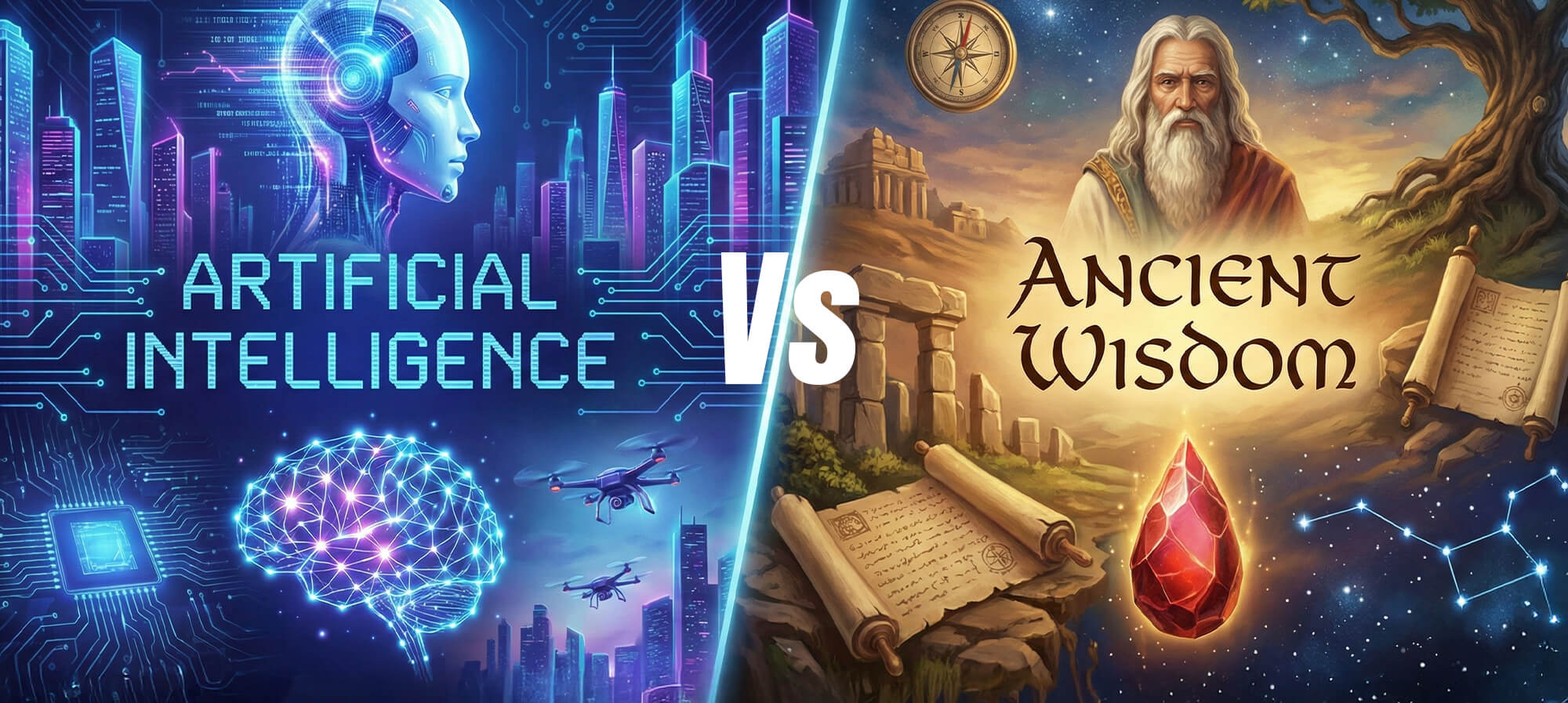
Is AI Safe as a Wellness Expert for Your Self-Care Rituals?
We live in an era where "high-tech" meets "high-zen." Today, you can ask a chatbot to design a 7-day stress-relief program, suggest an essential oil for stress & anxiety, or even write a guided meditation script in seconds.
As Artificial Intelligence (AI) becomes more integrated into our lives, a critical question arises for the wellness community: Can we trust an algorithm to guide our most sacred self-care rituals? At IncenseSticks, we believe in the power of ancient wisdom, the kind passed down through generations of healers and artisans. As we look at the rise of the "AI Health Coach," let’s explore the benefits, the hidden risks, and why human intuition remains the heartbeat of true wellness.
The Promise: Why AI is an Exciting Wellness Tool
There is no denying that AI brings incredible advantages to the modern wellness seeker. It is efficient, data-driven, and infinitely patient.
-
Hyper-Personalization: AI can analyze your specific data, like sleep patterns from a smartwatch or your heart rate variability, to suggest a ritual tailored specifically to your body's current state.
-
24/7 Accessibility: If you experience a midnight anxiety spike, a wellness-trained AI can immediately provide a grounding breathing exercise or suggest a calming scent like Sandalwood to help you reset.
-
A Library of Knowledge: AI has "read" every textbook on Aromatherapy and every ancient manuscript on herbalism or Ayurveda. It can cross-reference thousands of data points to find a solution that might take a human hours to research.
The Reality Check: Is AI "Safe"?
While the tech is impressive, AI is still a student, not a master. It is important to remember that AI is a predictive language model, not a sentient expert. This leads to several safety concerns:
1. The Risk of "Hallucinations"
AI can sometimes suffer from what researchers call "hallucinations", confidently stating facts that are entirely made up. In the context of wellness, an AI might suggest a botanical oil blend that is unsafe for topical use, or recommend a ritual that could interfere with a medical condition.
2. The Learning Curve
AI is constantly learning. It gathers information from the vast expanse of the internet, which, as we know, contains both expert wisdom and dangerous misinformation. Without a human filter, AI might accidentally serve you a ritual based on a "fad" rather than a proven, safe practice.
3. The Lack of Sensory Intuition
Wellness is a physical and emotional experience. An AI can tell you that Lavender is calming, but it cannot "read the room." It doesn't know if a specific scent triggers a negative memory for you, nor can it sense the subtle energy shifts that a human wellness practitioner can feel. A machine cannot "feel" your energy or understand the grief behind your request. It lacks the emotional intelligence (EQ) and physical intuition of a human expert.
The "Human-in-the-Loop": Why Expertise Matters
Because wellness and health involve our physical bodies and mental states, the stakes are high. This is why the "Human-in-the-Loop" model is essential.
AI is a brilliant assistant, but it should never be the final authority. If you use AI to generate a wellness ritual, it is always better to have a human expert verify it. Whether it’s a certified aromatherapist, a health coach, or a wellness practitioner, human oversight ensures:
-
Safety Verification: Checking for contraindications (e.g., checking for essential oils that are safe or unsafe around pets, children, or pregnant mothers).
-
Contextual Wisdom: Adapting a ritual based on your unique life circumstances and emotional history.
-
Ethical Soul: Ensuring the ritual respects the traditions it is borrowing from.
Here is your safety checklist for "human-verifying" any AI recommendation:
-
Verify the "Safety Specs": If an AI suggests a DIY essential oil blend, always cross-check the dilution ratios with a reputable source like the Tisserand Institute or the National Association for Holistic Aromatherapy (NAHA). AI often overlooks the potency of pure oils and forgets to ask questions about personal preferences or sensitivities.
-
Check the "Excluded Audience": AI may forget to ask if you have pets, children, or are pregnant. Always verify if a suggested scent is safe for your specific household (e.g., Peppermint and Eucalyptus can be toxic to cats and dogs).
-
The "Red Flag" Filter: Watch for over-confidence. If an AI suggests you can replace a medical treatment with a "healing scent" or stop taking a supplement because you feel better, stop immediately. This is a common AI error.
-
Iterate with Detail: Don't just ask "What smells good for stress?" Give the AI a clear role. Use a prompt like: "Act as a research assistant. Suggest three grounding scents for a home office, but remind me of the safety precautions for a home with small children."
-
Consult the Human Heart: Before starting a major new health ritual, run the AI’s plan by a human health coach or specialist. A human can see the "small clues"—like your breathing patterns or emotional tone—that a digital tool simply cannot detect.
Ancient Wisdom in a Digital World
At IncenseSticks, we bridge the gap between ancient traditions and modern needs. While we embrace technology to help you find the right products, we never lose sight of the Human Pillar of Sustainability.
Our products aren't mass-produced by machines or designed by algorithms. They are:
-
Handcrafted in Small Batches: Made using traditional methods that machines simply cannot replicate.
-
Infused with Human Resilience: Our products are crafted by women artisans who put their heart, energy, and intention into every stick of incense, a "soul" that an AI can never generate.
-
Rooted in Nature: We rely on ethically sourced, natural ingredients that honor the Earth, aligning with Sustainable Wellness.
Use the Tech, Trust the Tradition
Can AI be a wellness expert? It can be a powerful consultant, providing you with ideas, data, and structure. However, it is not a replacement for the centuries of human experience that define ancient wisdom.
For your next self-care ritual, feel free to use AI to brainstorm a new routine. But before you light that incense stick or blend those oils, check in with your own intuition or consult a human expert.
True wellness is where the precision of science meets the soul of tradition.
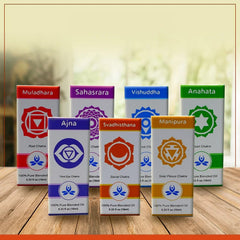
![7 Chakra Incense Set With Brass Holder [ 7 packs ]](http://incensesticks.com/cdn/shop/files/Chakra_incense_set_1_medium.jpg?v=1748844638)


Leave a comment
This site is protected by hCaptcha and the hCaptcha Privacy Policy and Terms of Service apply.